
The limb buds appear during the 6th week of development as the result of a localized proliferation of somatopleuric mesenchyme. This causes the overlying ectoderm to bulge from the trunk as two pairs of flattened paddles(Fig. 3.84).
The arm buds develop before the leg buds and lay at the level of the lower six cervical and upper two thoracic segments. The flattened limb buds have a cephalic preaxial border and a caudal postaxial border. As the limb buds elongate, the anterior rami of the spinal nerves situated opposite the bases of the limb buds start to grow into the limbs. The mesenchyme situated along the preaxial border becomes associated and innervated with the lower five cervical nerves, whereas the mesenchyme of the postaxial border becomes associated with the eighth cervical and first thoracic nerves.
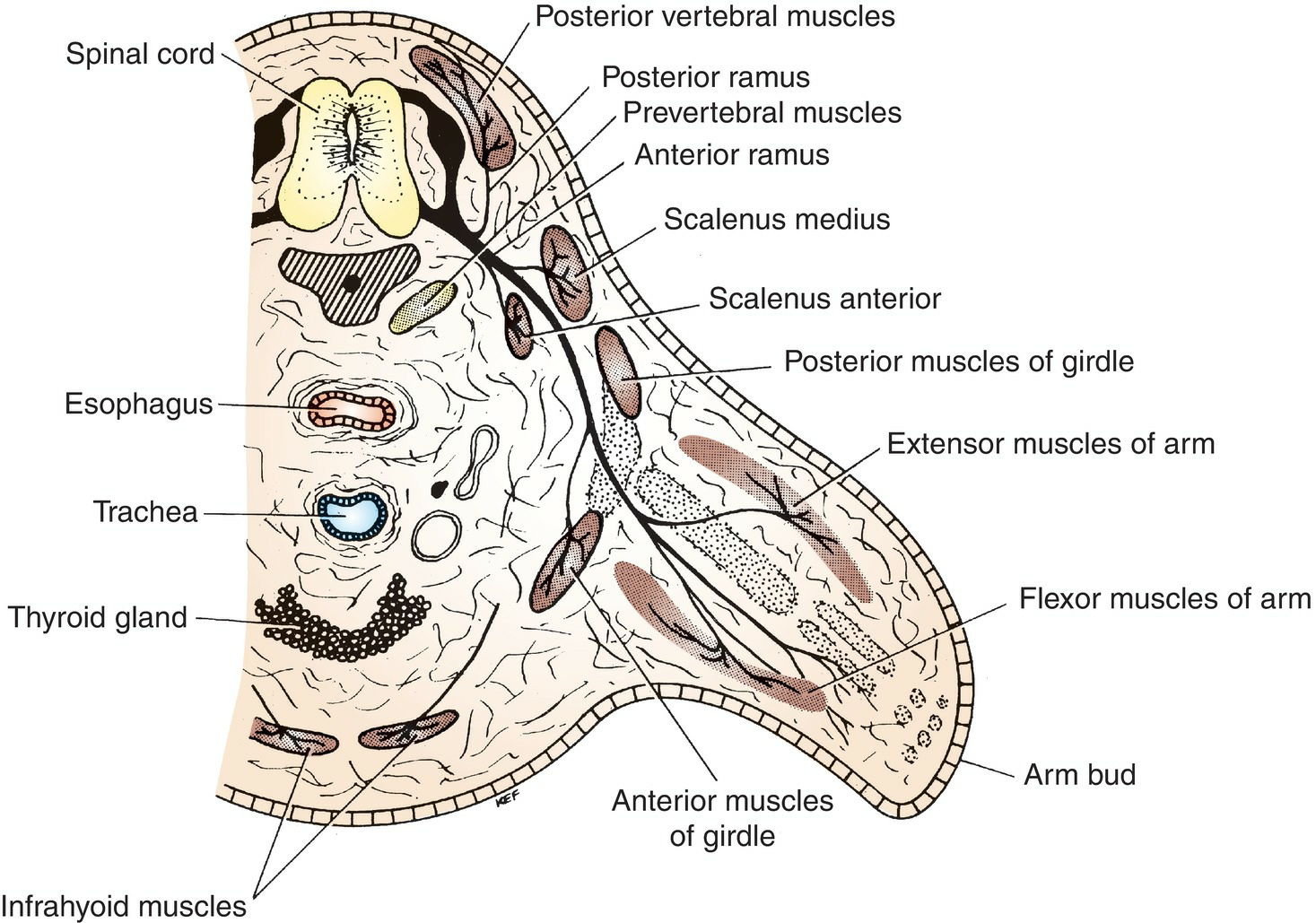
Figure 3.84 Section through the lower cervical region and the formation of the upper limb bud. Note the presence of the developing bones and muscles from the mesenchyme.
Later, the mesenchymal masses divide into anterior and posterior groups, and the nerve trunks entering the base of each limb also divide into anterior and posterior divisions. The mesenchyme within the limbs differentiates into individual muscles that migrate within each limb. As a consequence of these two factors, the anterior rami of the spinal nerves become arranged in complicated plexuses that are found near the base of each limb so that the brachial plexus is formed.
Amelia
Congenital absence of one or more limbs (Amelia) or partial absence(ectromelia) may occur. A defective limb may possess a rudimentary hand at the extremity of the limb, or a well-developed hand may spring from the shoulder with absence of the intermediate portion of the limb (phocomelia) (Fig. 3.85).
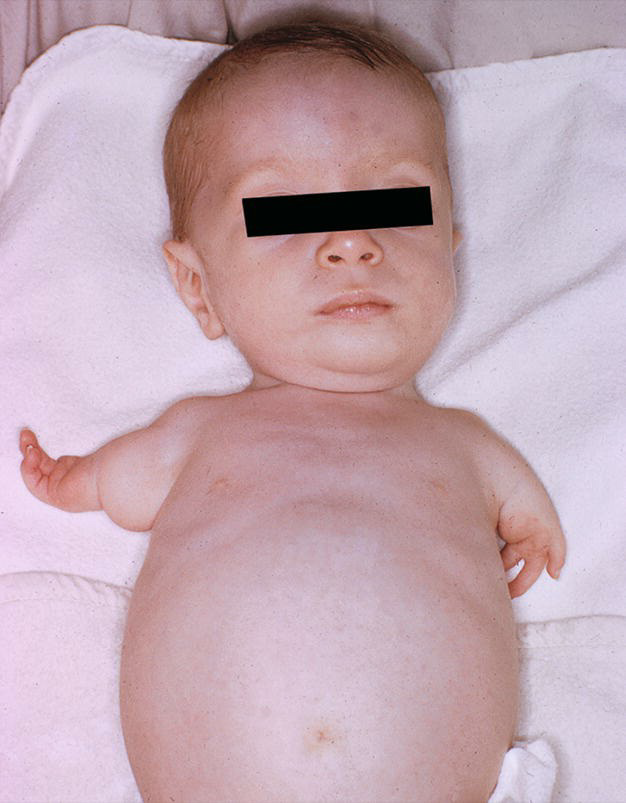
Figure 3.85 Ectromelia. (Courtesy of G. Avery.)
Congenital Absence of Radius
Occasionally, the radius is congenitally absent and the growth of the ulna pushes the hand laterally (Fig. 3.86).
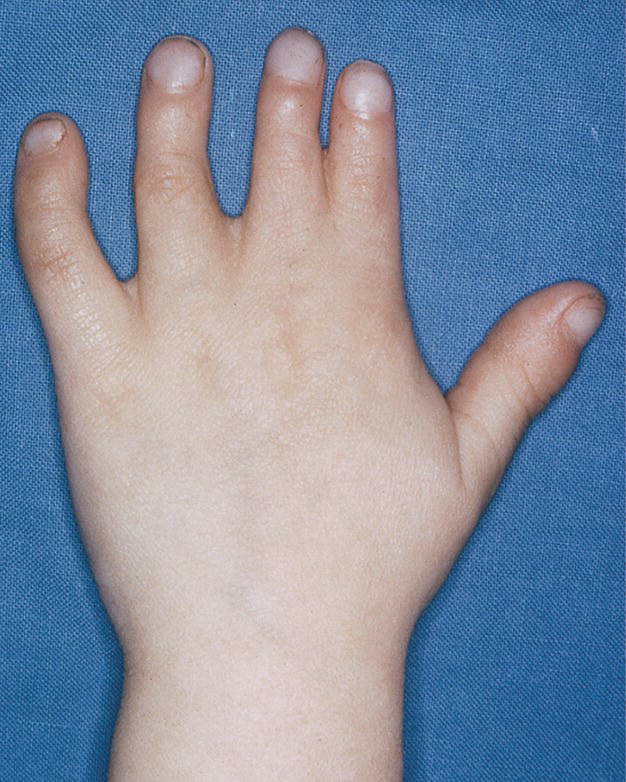
Figure 3.87 Partial syndactyly. (Courtesy of L. Thompson.)
Floating Thumb
A floating thumb results if the metacarpal bone of the thumb is absent but the phalanges are present. Plastic surgery is indicated when possible to improve the functional capabilities of the hand (Fig. 3.89).
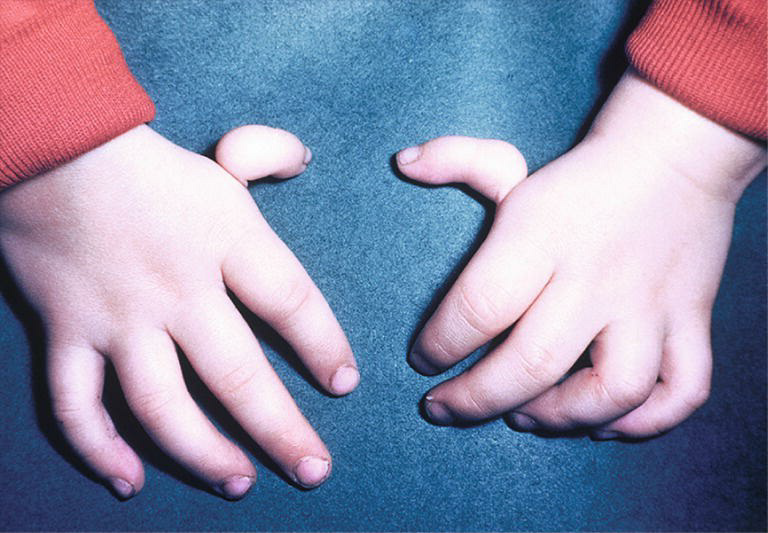
Figure 3.89 Floating thumb. The metacarpal bone of the thumb is absent, but the phalanges are present. (Courtesy of R. Chase.)
Polydactyly
In polydactyly, one or more extra digits develop. It tends to run in families. The additional digits are removed surgically.
Macrodactyly (Local Gigantism)
Macrodactyly affects one or more digits; these may be of adult size at birth, but the size usually diminishes with age (Fig. 3.90). Surgical removal maybe necessary.
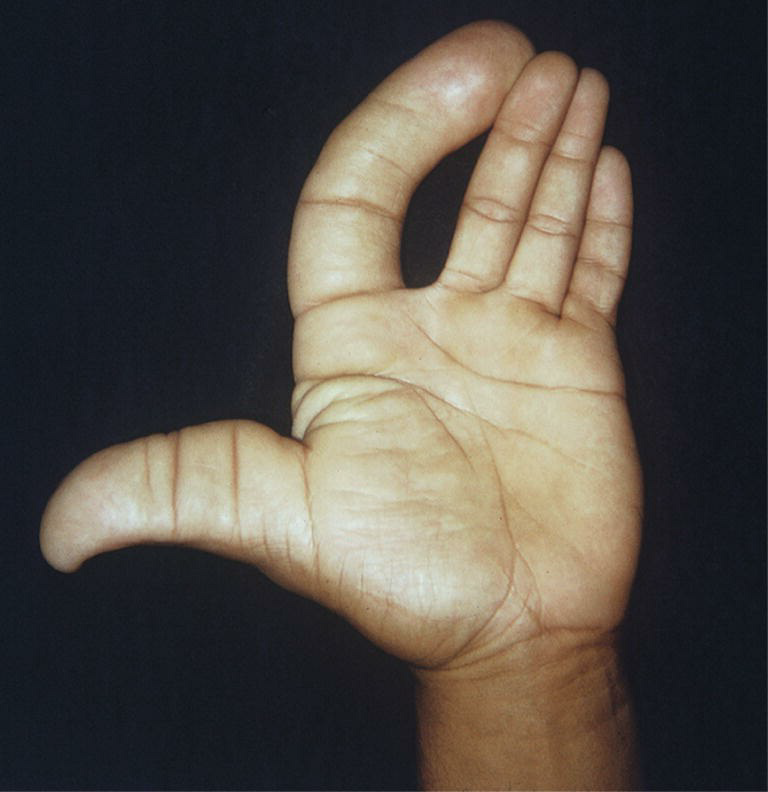
Figure 3.90 Macrodactyly affecting the thumb and index finger.(Courtesy of R. Neviaser.)