Introduction to the Lunar Cycle
The lunar cycle refers to the series of phases that the moon experiences as it orbits the Earth. This cycle typically spans approximately 29.5 days and includes distinct phases: the new moon, waxing crescent, first quarter, waxing gibbous, full moon, waning gibbous, last quarter, and waning crescent. Understanding these phases is essential for various fields, such as astronomy, agriculture, and cultural practices.
Astronomically, the lunar cycle is significant as it affects numerous natural phenomena. For example, tides are heavily influenced by the gravitational pull exerted by the moon, which varies with its phase and position relative to the Earth and the Sun. Additionally, for astronomers, tracking the lunar phases allows for better observation of celestial events, particularly during the new and full moon phases when light pollution from the moon is minimized.
From an agricultural standpoint, the lunar cycle holds great importance as well. Farmers have long adhered to the lunar calendar when planning planting and harvesting times. Some studies suggest that the moon’s phases could influence plant growth, making it a valuable consideration for sustainable farming practices.
Furthermore, the lunar cycle plays a vital role in various cultural traditions and beliefs across the globe. Many cultures incorporate the moon’s phases into their rituals, festivals, and calendars. For instance, the new moon is often associated with new beginnings, while the full moon can symbolize completeness and fruition.
In conclusion, the lunar cycle is a fascinating and multifaceted subject that resonates with a multitude of disciplines. Whether one is observing the night sky, tending to crops, or participating in cultural traditions, a comprehensive understanding of the lunar cycle enhances appreciation of its influence.
The Moon’s Phases Explained
The lunar cycle consists of various distinct phases, each representing the moon’s appearance on Earth as it orbits around our planet. The principal phases of the moon include the new moon, waxing crescent, first quarter, waxing gibbous, full moon, waning gibbous, last quarter, and waning crescent. Understanding these phases is crucial for comprehending how the moon interacts with both the Earth and the sun.
The cycle begins with the new moon, where the moon is positioned between the Earth and the sun. During this phase, the illuminated side of the moon faces away from Earth, rendering it practically invisible to observers. As the moon progresses through its orbit, it reaches the waxing crescent phase, where a sliver of light becomes visible from Earth. This illumination gradually increases until the first quarter phase is reached, at which point half of the moon is illuminated.
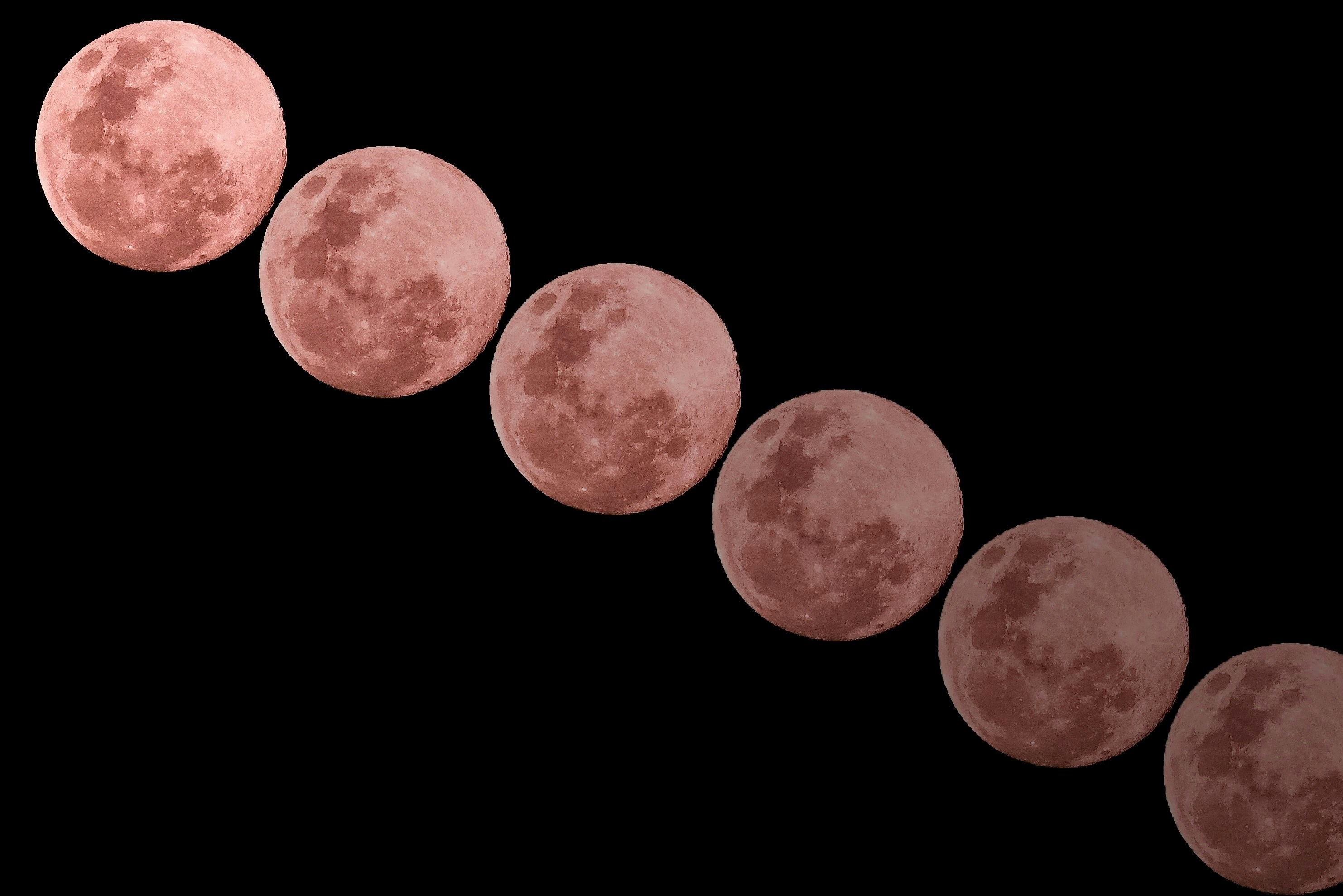
Continuing its journey, the moon enters the waxing gibbous phase, which encompasses more than half of the illuminated surface. When the moon finally reaches the full moon phase, we witness the entire face of the moon lit up due to its position opposite the sun. Following this phase, the moon begins to wane, transitioning into the waning gibbous phase. This phase indicates that the visible light is gradually decreasing.
Further along, the moon reaches the last quarter phase, where once again half of it is illuminated, but in contrast to the first quarter. Finally, it closes the cycle as it shifts into the waning crescent phase, until it vanishes once more into the new moon. These phases are primarily determined by the moon’s relative position to the Earth and the sun, creating a captivating rhythm visible to all observers on Earth.
The Synodic Month: A Key Concept
The synodic month is a fundamental concept in understanding the lunar cycle. Defined as the average time interval between two consecutive new moons, it spans approximately 29.5 days. This duration reflects the lunar phases that arise as the Moon orbits Earth, transitioning from new moon to full moon and back again. The synodic month is slightly longer than the sidereal month, which measures the Moon’s orbit relative to distant stars, lasting about 27.3 days.
Astronomers measure the synodic month by observing the Moon’s position relative to the Sun and Earth. Observational techniques include using telescopes to capture lunar phases at regular intervals and noting their changes. The interval between similar lunar phases, such as from one new moon to the next, is how the synodic month is defined and understood. This measurement is crucial in predicting the visibility of the Moon in the night sky, which holds cultural and scientific significance.
The importance of the synodic month extends beyond mere measurements; it serves as a cornerstone in organizing calendars and understanding tides, solar eclipses, and cultural rituals relating to lunar cycles. By comprehending the synodic month, individuals can better predict when the Moon will reappear after new moon phases, thus enhancing their appreciation of lunar phenomena. In many societies, the lunar calendar is directly influenced by the synodic month, dictating agricultural activities or religious observances based on the Moon’s phases.
Factors Influencing Moon Visibility
The visibility of the moon in the night sky is influenced by several interrelated factors, including atmospheric conditions, light pollution, and the moon’s orbital patterns. Each of these elements plays a crucial role in determining how and when the moon can be observed from Earth.
Atmospheric conditions are paramount; clouds, humidity, and pollution can obscure the moon. For instance, thick clouds can completely hide the moon, while haze and air pollution can diminish its brightness, making it appear washed out against the night sky. Clear skies are ideal for moon visibility, providing an unobstructed view of its phases. Additionally, atmospheric refraction can alter how the moon is perceived at the horizon, sometimes causing it to appear larger or more colorful, particularly during moonrise or moonset.
Light pollution is another significant factor that affects the moon’s visibility. In urban areas, the abundance of artificial lights can mask the brilliance of the moon, reducing its contrast against the sky. This not only hinders the ability to observe the moon but can also affect the overall experience of lunar phases, particularly the new moon when the moon’s illumination is minimal. Darker locations away from city lights can greatly enhance the visibility of the moon, allowing for better appreciation of its features and phases.
Furthermore, the moon’s orbit around Earth is a critical aspect that influences its visibility. The moon doesn’t always follow the same path through the sky; its position changes nightly due to its elliptical orbit. This can lead to variations in when the moon rises and sets, affecting how long it is visible during the night. Factors such as the season and geographic location also come into play, contributing to the intricate randomness of lunar visibility in our sky.
When Does the Moon Reappear After a New Moon?
After experiencing a new moon, the lunar cycle continues its progression, leading to the gradual reappearance of the moon. Typically, the moon reemerges as a slender crescent approximately one day after the new moon phase. This first visibility is marked by a very thin slice of the moon illuminating the night sky, an event known as the waxing crescent phase.
More specifically, the moon reaches its first quarter approximately one week after the new moon, showcasing half of its surface illuminated. Following this, within two weeks of the new moon, the moon becomes fully illuminated during the full moon phase. However, the precise timing of these phases may vary slightly based on geographic location and atmospheric conditions, as variations in timing can influence the moon’s visibility on certain days.
For example, in northern latitudes, the new moon may occur at a different hour compared to regions closer to the equator. Additionally, cloud cover and local environmental factors such as tall buildings or mountain ranges can obstruct initial views of the moon. Therefore, it is essential for observers to consider their locations when tracking the moon’s reappearance.
For individuals monitoring the lunar cycle, lunar calendars are valuable tools. These calendars provide specific dates and times for each lunar phase, helping enthusiasts anticipate when to look for the moon after a new moon. Utilizing such resources ensures viewers do not miss this celestial spectacle as the moon transforms from a new moon to a visible crescent, with clear indicators of its waxing phases.
The Importance of Local Geography
Understanding the lunar cycle involves more than simply tracking the phases of the moon; it requires a keen awareness of how local geography influences moon visibility. Factors such as latitude, altitude, and climate conditions are integral to observing when and how the moon reappears in the night sky.
Latitude plays a crucial role in moon visibility. For instance, observers located near the equator experience relatively consistent moonrise and moonset times throughout the year. In contrast, those at higher latitudes, particularly above the Arctic Circle, encounter extreme variations. During summer months, the sun does not set, creating a scenario where the moon may only briefly peek above the horizon.
Additionally, elevation, or altitude, is another significant factor. Higher elevations may provide a clearer view of the horizon, allowing for better sighting of the moon shortly after it rises. Conversely, urban areas with tall buildings or dense forests can obstruct the view of the moon, delaying its visibility even if the moon is technically above the horizon.
Moreover, local climate conditions significantly contribute to lunar observations. Areas experiencing frequent cloud cover or heavy rainfall may impede visibility, affecting the ability to see the moon at any given time. In contrast, regions characterized by clear skies and minimal light pollution offer optimal conditions for observing the lunar phases. Understanding these geographic and climatic factors can significantly enhance one’s ability to observe and appreciate the beauty of the lunar cycle.
Myths and Cultural Significance of the Moon’s Phases
The moon has captivated human consciousness for millennia, giving rise to a variety of myths, folklore, and cultural beliefs surrounding its phases and reappearance. Across different cultures, the lunar cycle has been interpreted and celebrated, often entwined with fundamental aspects of community life and spiritual practices. In many Indigenous cultures, for example, the moon is prominently featured in creation stories and rituals, considered a vital influence on agricultural cycles, and thus on survival.
In ancient civilizations, the moon was often personified, embodying deities that governed various aspects of human existence. The Greeks worshipped Selene and Artemis, goddesses representing various phases of the moon. Similarly, in ancient Egypt, the lunar god Khonsu was associated with the notion of time and healing, emphasizing the moon’s essential role in rituals and calendars. The phases of the moon also had practical implications; they were used to guide the timing of agricultural planting and harvesting, as well as social and religious observances.
Different cultures have assigned unique meanings to distinct phases of the lunar cycle. For instance, the new moon is often regarded as a time of rebirth and new beginnings, inspiring fresh intentions and endeavors. Conversely, the full moon is frequently associated with culmination and illumination, often symbolizing the peak of energy and the manifestation of goals. These interpretations not only inform calendars but also dictate festivals and rituals, reinforcing societal bonds and cultural heritage.
In modern contexts, while scientific understanding of the lunar phases has evolved, the moon’s phases continue to influence contemporary cultural practices and personal rituals. New-age spiritual movements often embrace lunar energy, reflecting a modern resurgence of interest in ancient beliefs. Consequently, the moon’s phases maintain a profound significance that transcends mere celestial mechanics, resonating deeply within the human psyche and culture itself.
Astrology and the Moon’s Phases
The moon’s phases have held significant sway in astrological practices throughout history. Astrologers believe that these phases can influence human emotions, behavior, and even major life events. Each lunar phase is associated with specific energies that can be harnessed for various purposes, including personal reflection, manifestation, and decision-making.
Astrological interpretations typically categorize the lunar cycle into eight distinct phases, each with unique characteristics. The new moon is often regarded as a time of new beginnings and setting intentions, as its darkened presence marks the start of the lunar cycle. The waxing crescent that follows invites optimism and growth, a period ideal for initiating new projects or embracing opportunities.
As the moon transitions to the first quarter, it becomes increasingly illuminated, symbolizing a time for making decisions and taking action. This phase encourages individuals to confront challenges head-on, aligning with the astrological belief that this is when perseverance can lead to success. After the first quarter, the waxing gibbous phase fosters reflection and adjustment, allowing for fine-tuning of goals.
The full moon is perhaps the most celebrated phase, embodying a culmination of efforts and heightened emotional intensity. Astrologers suggest this time is ideal for releasing what no longer serves one’s purpose and celebrating achievements. Following the full moon, the waning gibbous invites gratitude and completion, as individuals reflect on lessons learned during the preceding cycles.
Furthermore, the last quarter and waning crescent phases are associated with letting go, resting, and preparation for the new moon’s emergence. Astrologers often utilize the energy of these phases to encourage introspection and planning for future endeavors. Thus, many individuals turn to the moon’s phases not only for insight into their astrological profiles but also as a guiding force in their personal and spiritual journeys.
The Enigmatic Lunar Cycle
The lunar cycle is a captivating phenomenon that influences various aspects of life on Earth. Understanding when the moon reappears is fundamental not only for astronomers but also for individuals keen on interlinking their activities with natural rhythms. The lunar cycle is bifurcated into distinct phases: the new moon, waxing crescent, first quarter, waxing gibbous, full moon, waning gibbous, last quarter, and waning crescent. Each of these phases marks the moon’s transformation in appearance and its gravitational effects on our planet, particularly regarding tides and certain biological processes in flora and fauna.
Culturally, the significance of the lunar phases transcends mere astronomy. Many cultures have imbued the moon with symbolic meanings, using its phases for agricultural scheduling, ceremonial purposes, and even religious observances. The full moon, for instance, is often associated with heightened activity, while the new moon represents new beginnings and introspection. These beliefs continue to influence contemporary practices, showcasing the moon’s enduring relevance in our lives.
From a scientific perspective, understanding the lunar cycle aids in navigating its impact on our environment. The moon’s gravitational pull affects not just ocean tides but also atmospheric conditions. Additionally, research indicates potential correlations between lunar phases and various human behaviors, although conclusions remain complex and nuanced.
The lunar cycle serves as a reminder of our connection to the cosmos. Recognizing and understanding when the moon reappears enhances our appreciation for the natural world, weaving together cultural traditions, scientific inquiry, and personal reflection. By embracing the rhythms of the lunar phases, we enrich our lives and cultivate a deeper understanding of the universe that encompasses us.