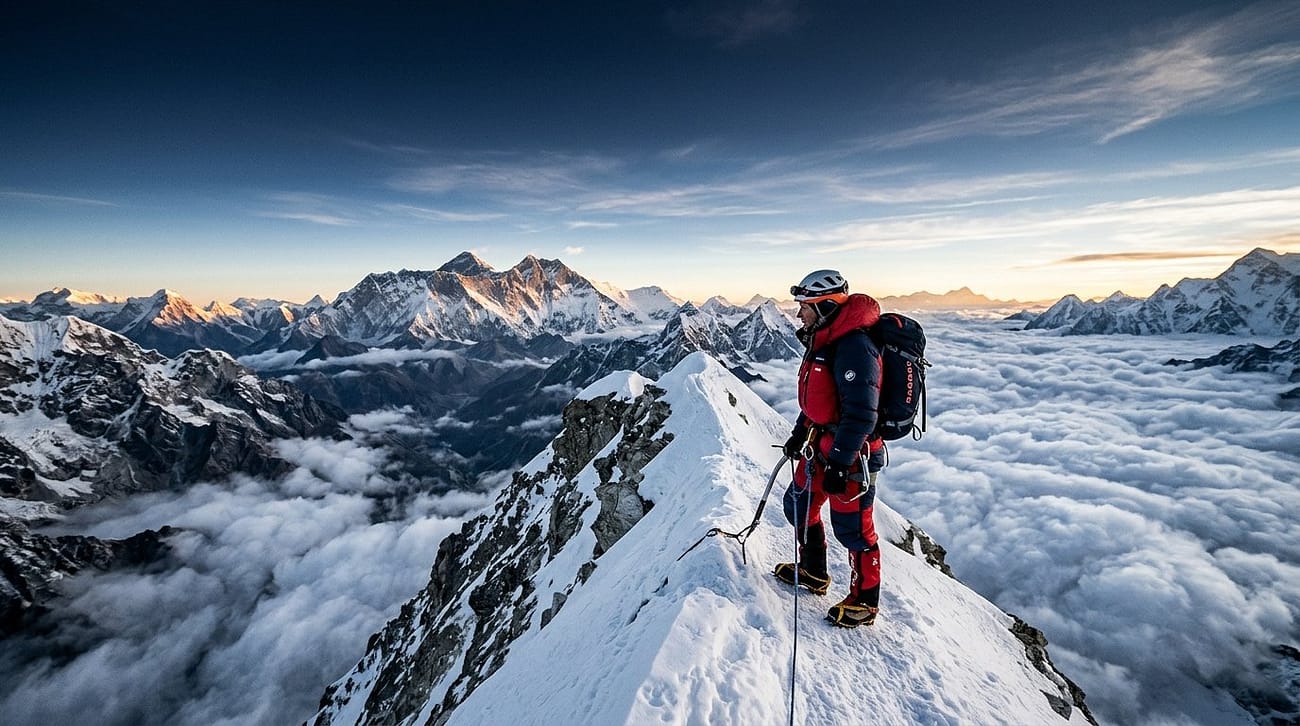
Altitude illness occurs due to reduced oxygen availability at high elevations and can affect mountain climbers, hikers, skiers, and others who travel to high altitudes.
As altitude increases, the percentage of oxygen in the air remains the same, but atmospheric pressure decreases. This results in thinner air, meaning less oxygen is available for the body. For example, air at 19,000 feet (5,800 meters) contains only half the amount of oxygen found at sea level.
Most individuals can ascend to 5,000 to 6,500 feet (1,500 to 2,000 meters) within a day without issues. However, around 25% of people who reach 8,000 feet (2,500 meters) and 40% of those who ascend to 14,000 feet (4,340 meters) develop some form of altitude illness.
The organs most commonly affected are:
- The brain, resulting in acute mountain sickness (AMS) and rarely high-altitude cerebral edema (HACE)
- The lungs, resulting in high-altitude pulmonary edema (HAPE)
Risk Factors
The likelihood of developing altitude illness differs among individuals. Risk increases in people who ascend above 2,000 meters (5,000 to 6,500 feet) and:
- Have had altitude illness previously
- Live at sea level or very low altitude
- Ascend too quickly
- Overexert themselves
- Sleep at very high altitudes
Although conditions such as asthma, diabetes, coronary artery disease, and mild chronic obstructive pulmonary disease do not increase the risk of altitude illness, people with these conditions may face challenges due to reduced blood oxygen levels at high altitude.
Physical fitness does not prevent altitude illness.
Acclimatization
The body gradually adapts to higher elevations by increasing breathing, producing more red blood cells to carry oxygen, and making other adjustments. Most people can adapt to altitudes up to 10,000 feet (3,000 meters) within a few days. Adjusting to greater heights may take several days or weeks.
Symptoms of Altitude Illness
Acute Mountain Sickness (AMS)
AMS is the most common and mildest form of altitude illness. Symptoms often develop within 6 to 10 hours after ascent and may include:
- Headache
- Light-headedness
- Loss of appetite
- Nausea or vomiting
- Fatigue
- Weakness
- Irritability
Symptoms typically last between 24 and 48 hours but may occasionally progress to a more severe condition known as high-altitude cerebral edema.
High-Altitude Cerebral Edema (HACE)
HACE is a rare but potentially fatal condition involving swelling of the brain. Individuals may experience headache, confusion, and difficulty walking. If not treated early, the condition may progress rapidly to coma within hours.
High-Altitude Pulmonary Edema (HAPE)
HAPE involves fluid buildup in the lungs and usually develops 24 to 96 hours after a rapid ascent above 8,000 feet (2,400 meters). It can occur even without symptoms of AMS and is responsible for most deaths related to altitude illness.
Symptoms may include:
- Dry cough
- Shortness of breath with mild exertion
- Shortness of breath at rest
- Bluish discoloration of the skin, lips, or nails
- Gasping for breath
- Pink or bloody sputum
HAPE can worsen quickly and may lead to respiratory failure, coma, and death if not treated promptly.
Diagnosis
Doctors usually diagnose altitude illness based on symptoms. In people with HAPE, fluid may be heard in the lungs using a stethoscope. Chest x-rays and blood oxygen measurements may help confirm the diagnosis.
Treatment
Descending to a lower elevation is the most effective treatment for all forms of acute altitude illness.
For mild AMS:
- Stop ascending
- Rest
- Use medications to relieve symptoms
For severe or persistent AMS:
- Descend to a lower altitude
- Use medications such as acetazolamide or dexamethasone
For HACE:
- Immediate descent
- Oxygen and dexamethasone
For HAPE:
- Immediate descent
- Oxygen if available
- Nifedipine may help reduce blood pressure in lung arteries
People who descend promptly usually recover from HAPE within 24 to 48 hours.
Prevention
The most effective way to prevent altitude illness is to ascend gradually.
Above 8,000 feet (2,400 meters), controlling the rate of ascent is essential. Above 10,000 feet (3,000 meters), sleeping altitude should not increase by more than 1,600 feet (500 meters) per day. A rest day should be included every 3 to 4 nights before sleeping at a higher altitude.
Acetazolamide or dexamethasone may be used to reduce the likelihood of altitude illness.
Avoiding strenuous activity for the first 1 to 2 days after arrival and avoiding heavy alcohol consumption, opioids, and sedatives—especially before sleep—may also help reduce the risk.