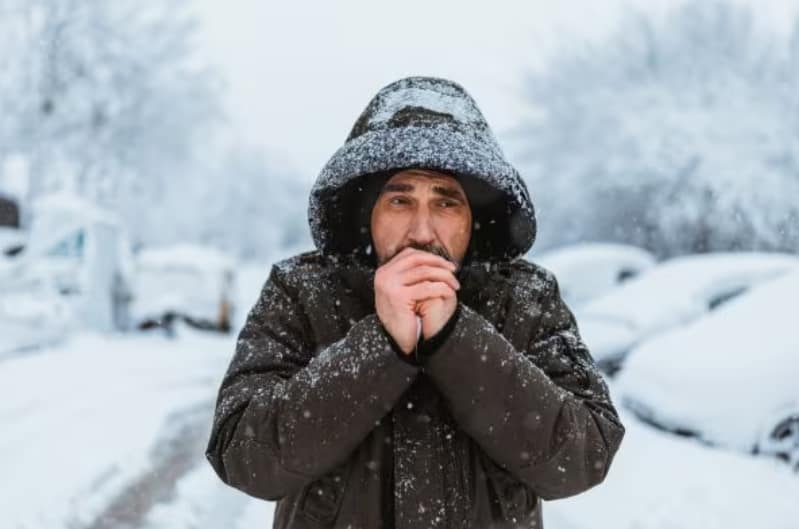
Winter storms can bring severe cold, snow, ice, and power outages, all of which pose significant health and safety risks. Many winter-related injuries and deaths can be prevented with proper preparation and awareness.
When a storm is predicted, preparing in advance and understanding the dangers associated with cold weather can make a major difference. Staying informed, avoiding unnecessary travel, and taking protective measures are key steps in safeguarding your health and safety.
Hypothermia, Frostbite, and Cold Exposure
Cold exposure happens when the body loses heat more quickly than it can generate it. Extended exposure to low temperatures—particularly with wind, wet clothing, or poor shelter—can result in hypothermia or frostbite.
Hypothermia occurs when the body’s core temperature falls below 95°F (35°C). Early warning signs include shivering, confusion, slurred speech, clumsiness, and fatigue. This condition is life-threatening and requires immediate medical care.
Frostbite develops when the skin and underlying tissues freeze, most commonly affecting the fingers, toes, ears, and nose. The skin may become numb and appear white, swollen, blistered, or black and leathery. Frostbitten areas should be warmed using warm water.
To lower the risk:
- Wear layered clothing, including hats and gloves
- Keep clothes dry and change out of wet garments right away
- Reduce time spent outdoors in extreme cold
- Check on older adults, children, and anyone lacking adequate heat
If hypothermia or frostbite is suspected, seek medical attention promptly.
Carbon Monoxide Poisoning
Winter storm–related power outages raise the risk of carbon monoxide poisoning, which is serious and can be fatal. Carbon monoxide is an odorless, colorless gas created when fuel burns. If not properly vented, sources such as automobiles, furnaces, fireplaces, hot water heaters, gas heaters, kerosene heaters, and stoves can lead to carbon monoxide buildup.
Common symptoms include headache, dizziness, weakness, nausea, confusion, and loss of consciousness.
To help prevent poisoning:
- Ensure vents and chimneys are free of snow and debris
- Install battery-powered or battery-backup carbon monoxide detectors
If exposure is suspected, move to fresh air immediately and seek emergency medical care.
Snow Shoveling and Physical Overexertion
Snow shoveling frequently leads to winter-related injuries and medical emergencies. Cold temperatures combined with strenuous activity place extra stress on the heart, especially in people with heart disease or related risk factors.
Excessive exertion while shoveling can cause heart attacks, chest pain, shortness of breath, and muscle or back injuries.
To reduce danger:
- Work at a steady pace and take regular breaks
- Push snow rather than lift it when possible
- Use smaller loads when shoveling
- Stop immediately if you feel chest pain, dizziness, or shortness of breath
Individuals with heart disease or those unaccustomed to heavy activity should seek assistance or consider snow removal services.
Emergency Water Storage and Drowning Hazards
Filling a bathtub with water before a storm can provide backup water if pipes freeze or power is lost. However, water-filled tubs present a drowning hazard, particularly for young children, pets, or individuals with mobility or cognitive challenges.
Infants and young children can drown in only a few inches of water. Children should never be left unattended near standing water, bathroom doors should be kept closed or secured, and the tub should be drained once emergency water is no longer necessary.
Recreational and Vehicle-Related Accidents
Snow and ice increase the likelihood of high-speed injuries involving sleds, snowmobiles, ATVs, and motor vehicles. Crashes and falls may result in head injuries, spinal injuries, or internal trauma.
Wearing helmets during sledding, skiing, or riding snowmobiles or ATVs is essential. Choose sledding areas away from traffic and obstacles, drive cautiously, allow greater following distance, and avoid unnecessary travel. Alcohol should also be avoided before winter recreational activities.
Even mild symptoms after a significant impact can signal serious head or spinal injury, so medical evaluation is important.
Slips and Falls on Ice
Icy sidewalks, driveways, and stairs greatly raise the risk of slips and falls, particularly among older adults. Such falls can lead to concussions, fractures, and hip injuries with long-term effects.
Prevention measures include:
- Wearing footwear with good traction
- Using handrails and moving carefully on icy surfaces
- Applying sand or ice melt to walkways
- Encouraging older adults to remain indoors during icy conditions when possible
After a fall, seek medical care if there is head impact, intense pain, confusion, or trouble walking.
Staying Safe During and After the Storm
Winter storms create hazards that go beyond low temperatures. Recognizing the risks and taking practical preventive steps can help safeguard you, your family, and your community.
Monitor weather alerts, prepare your home and emergency supplies, and place safety first throughout the storm and its aftermath. When unsure, seek medical care—early treatment can prevent serious complications and save lives.
Preparing in advance can make a critical difference when severe winter weather arrives.