
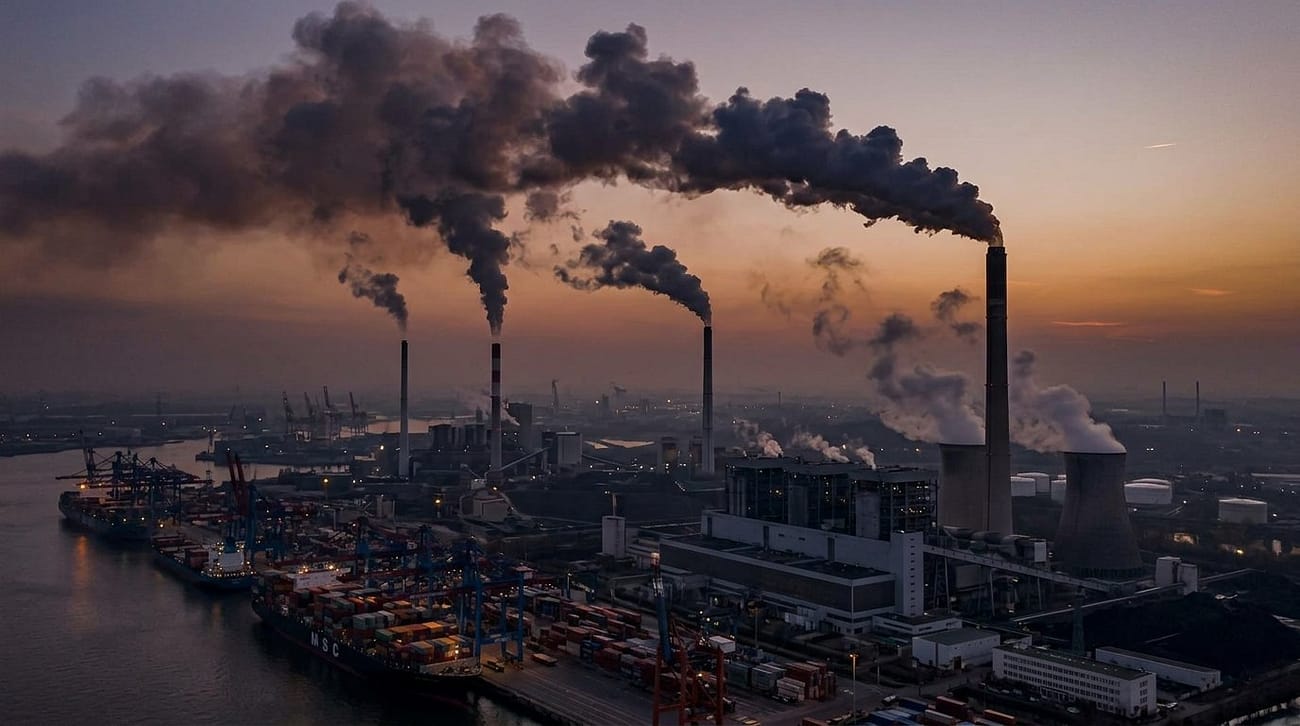
Climate change refers to long-term changes in temperature and weather patterns that have largely resulted from human activities such as the burning of fossil fuels since the industrial era. These activities have increased levels of carbon dioxide and other greenhouse gases, leading to rising global temperatures and significant environmental changes.
Rising temperatures have contributed to sea level rise and more frequent extreme weather events, including floods, severe heat waves, prolonged droughts, and wildfires. These environmental changes affect both the planet and human health in multiple ways.
Some consequences include increased illness and death related to heatstroke, food shortages due to crop failures, worsening air pollution from wildfires, and displacement of communities caused by environmental and economic disruption. These challenges also place greater pressure on community infrastructure and health-care systems. Populations with fewer socioeconomic resources are often the most vulnerable to these environmental health risks.
Psychological Effects
Climate-related environmental changes can strongly affect mental health. People may experience increased anxiety, depression, post-traumatic stress disorder (PTSD), and cognitive decline due to disruptions such as displacement, food and water insecurity, and damage to communities. Individuals who already have psychiatric conditions may experience worsening symptoms when access to medications or health-care services is disrupted.
Cardiovascular Effects
Extreme heat can place stress on the cardiovascular system. During heat waves, the body increases heart rate and workload in an effort to cool itself, which can lead to conditions such as myocardial ischemia or heart failure.
Wildfire smoke also contributes to cardiovascular risks. Inhaling small particulate matter from wildfire smoke can trigger inflammation in blood vessels, leading to vascular injury, thrombosis, and ischemia. Studies have shown an increased risk of sudden death and heart attacks among people exposed to major wildfire events.
Respiratory and Allergic Conditions
Air pollution and wildfire smoke increase exposure to fine particulate matter, which can worsen lung diseases such as asthma and chronic obstructive pulmonary disease (COPD).
Warmer temperatures can also expand the range and growth of aeroallergens like ragweed, increasing their allergenic effects. When air pollution combines with higher allergen exposure, vulnerable individuals—especially those living near industrial areas—may face a greater risk of asthma development or worsening respiratory illness.
Kidney Disease
Exposure to extreme heat may lead to dehydration and acute kidney failure. In people who are repeatedly exposed to high temperatures, such as agricultural workers, chronic heat exposure can contribute to long-term kidney damage.
Severe weather events can also disrupt dialysis and other medical services, which may increase hospitalization and death rates and delay treatments such as kidney transplantation.
Immune System Effects
Environmental exposures related to climate change—including pollution, heat stress, and infectious agents—may affect the immune system. These exposures can damage epithelial and gut mucosal barriers, triggering inflammatory responses that may lead to autoimmune disease or worsen existing conditions. Research has also linked exposure to wildfire-related pollutants with the development of diseases such as rheumatoid arthritis.
Infectious Diseases
Climate change may also increase the spread of infectious diseases. As environmental conditions shift, pathogens and disease-carrying organisms may move into new geographic areas. This can expand the presence of tick-borne diseases, fungal infections, and malaria.
Additionally, flooding caused by severe storms and rising sea levels can increase the risk of water-borne diseases, which may lead to diarrhea, dehydration, and malnutrition in affected populations.
Strategies to Reduce Risk
Health professionals, governments, and communities can take steps to reduce the health risks associated with climate change. Alert systems and improved weather prediction can help identify populations at risk from heat and other environmental hazards.
Air quality indices can warn communities about wildfire smoke and pollution exposure. Protective measures may include staying indoors, using N95 masks, or installing HEPA filters in homes during periods of poor air quality.
Education and preparation are also essential for people living in areas prone to storms, floods, or heat waves. Maintaining supplies of medications, food, water, and backup power sources can help communities remain resilient during emergencies. On a broader scale, reducing pollution, limiting waste in the health-care sector, and expanding renewable energy use are important strategies for addressing the long-term health effects of climate change.